In today’s digital world, customer information comes from everywhere emails, phone calls, social media, website forms, and more. For many business owners, it feels like juggling too many balls at once. Leads get lost, follow-ups slip, and deals that should have closed fall through the cracks.
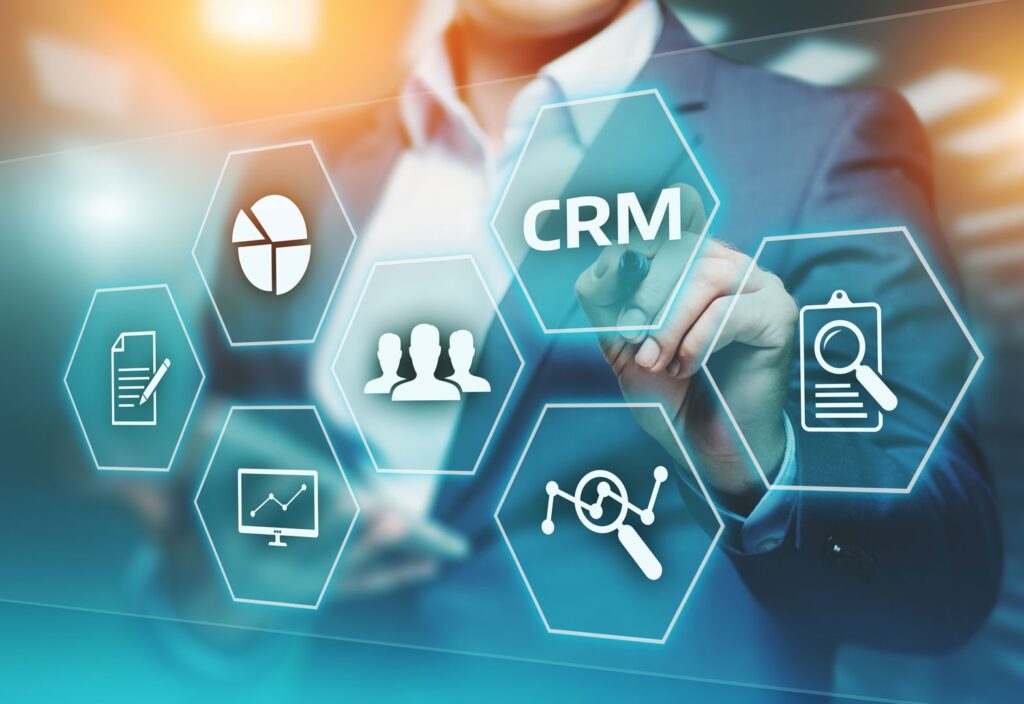
CRM software, or Customer Relationship Management software, is your solution. It organizes all your customer data in one central hub, turning chaos into clarity. With the right system, your team can manage leads, automate tasks, and make smarter decisions that drive growth.
However, not every business is the same. While standard CRM platforms can help, they often fall short when your workflow or industry is unique. This is where a custom-built CRM solution from a trusted custom software development company becomes invaluable.
What is CRM Software?
CRM software is a tool that helps businesses manage customer interactions from the first inquiry to repeat purchases. Think of it as a digital assistant that never forgets a detail. Every email, phone call, meeting note, and social interaction is logged so your team is always on the same page.
Key functions of CRM software include:
- Lead management and sales automation – Track leads and move prospects through your pipeline efficiently
- Marketing automation – Segment audiences and run targeted campaigns to nurture leads
- Customer service management – Handle support tickets, create knowledge bases, and improve client satisfaction
By using a CRM, businesses can save time, reduce errors, and turn customer data into real revenue. Keywords like customer management system, client management software, and business process automation all fall under CRM functionality.
Why Off-the-Shelf CRM Solutions Might Not Be Enough
Standard CRM platforms like Salesforce, HubSpot, or Zoho offer ready-made tools for sales, marketing, and customer support. They’re convenient and quick to implement, but they come with limitations:
- Too many unnecessary features that slow your team down
- Rigid workflows that may not match your business processes
- Integration challenges with existing tools or legacy systems
- Extra costs for plugins, add-ons, or premium features
For niche businesses, specialized industries, or unique workflows, these gaps can lead to inefficiency, lost opportunities, and frustrated teams.
The Benefits of a Custom CRM Solution
A custom CRM built by a software product development services team is designed around your business, not the other way around.
Advantages include:
- Workflow customization – The CRM adapts to your processes, not vice versa, improving adoption and reducing training time
- Custom app development – Access customer data on mobile devices, ensuring your team stays productive anywhere
- Enhanced data security – Tailored access controls, compliance features, and complete ownership of your customer data
- Software development consulting – Expert guidance to improve processes, optimize automation, and maximize ROI
Custom CRMs allow businesses to align sales, marketing, and support with their unique needs, delivering a seamless experience for both the team and the customer.
Why Startups and Growing Businesses Benefit from Custom CRM
Startups can start small and scale their CRM as the business grows. With software development services for startups, a custom CRM can:
- Track leads efficiently
- Manage customer communications
- Integrate with accounting, email marketing, and other essential tools
- Expand with advanced automation, analytics, and reporting modules
For larger enterprises, a custom solution ensures complex workflows, multi-department collaboration, and large-scale data management run smoothly. This reduces errors, improves reporting, and empowers teams to deliver better customer experiences.
Calculating ROI: Why a Custom CRM is Worth the Investment
A custom CRM may require higher upfront costs than off-the-shelf software, but the long-term benefits often outweigh the price:
- Faster lead response times and improved conversion rates
- Reduced manual work and human error
- Higher adoption and productivity among team members
- Better customer retention and repeat business
Custom CRMs also avoid ongoing subscription fees, forced upgrades, and expensive add-ons. Over time, owning a tailored solution is more cost-effective than renting generic software.
How the Custom CRM Development Process Works
1. Discovery and Requirements Gathering
Understand your customer touchpoints, data needs, and team workflows. Get input from sales, marketing, and support teams to identify gaps and inefficiencies.
2. Development, Integration, and Testing
Using agile methods, developers build the CRM in sprints. Integrations with your ERP, email tools, or accounting software are implemented. Rigorous testing ensures a smooth launch.
3. Phased Rollout
Launch modules gradually, starting with sales, then marketing, and finally support. This minimizes disruption and allows teams to adapt quickly.
Conclusion: Future-Proof Your Customer Relationships
CRM software is more than just a database, it is the backbone of sales automation, customer management, and business growth. Standard solutions may get you started, but custom-built systems designed by a professional custom software development company with software product development services, custom app development, and software development consulting take you further.
Investing in a custom CRM ensures:
- Workflows fit your business perfectly
- Data remains secure and compliant
- Teams adopt tools quickly and efficiently
- Long-term growth and ROI are maximized
If your current CRM feels like a square peg in a round hole, it may be time to explore a custom solution. Your customers, your team, and your bottom line will thank you.