Understanding PHI Compliance in Real Healthcare Systems
PHI compliance in modern healthcare platforms is often misunderstood as a checklist problem. In reality, it is an ongoing system design challenge that affects architecture, development speed, and operational workflows at the same time. PHI compliance software is not just about storing data securely. It is about controlling how protected health information flows through every layer of a system, from capture to storage to access and sharing.
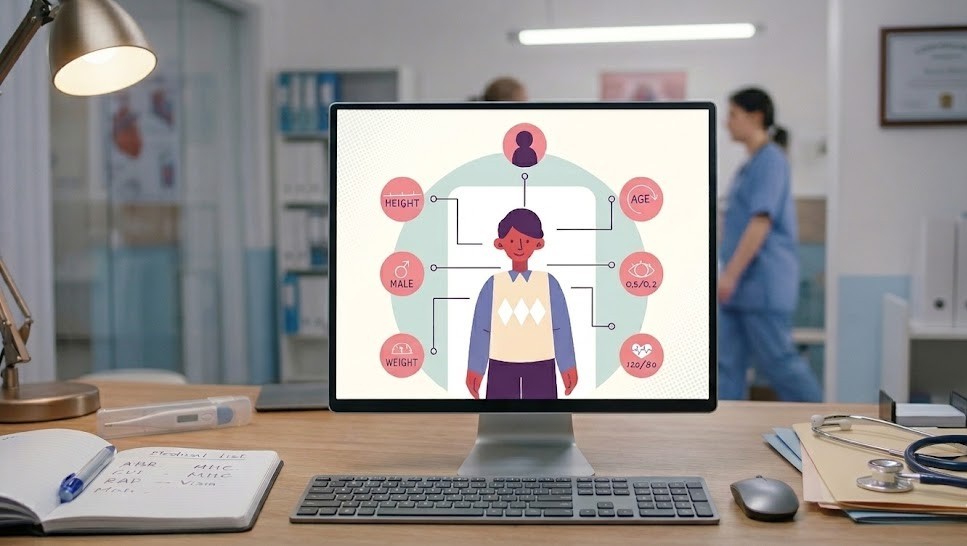
PHI, or what is PHI in healthcare, refers to any information that can identify a patient and is linked to their health status or care. This includes obvious data like medical records and lab results, but also indirect identifiers such as insurance numbers, device IDs, and even appointment metadata when combined with other sources. This is why HIPAA defines PHI so broadly under the HIPAA privacy rule and HIPAA security rule.
The challenge for modern healthcare platforms is that data no longer lives in one place. It moves between hospitals, clinics, labs, insurance systems, and cloud applications. Every transfer increases the risk of exposure. That is why healthcare data security and data privacy compliance must be built into the platform itself, not added later.
In enterprise environments, especially large hospital networks or digital health companies, compliance is not optional. It is enforced through HIPAA regulations, audits by the HHS Office for Civil Rights, and strict HIPAA breach notification rule requirements. A single failure can trigger penalties, investigations, and loss of trust.
This creates a tension between two goals: fast software delivery and strict compliance. Solving this tension requires rethinking how systems are designed, not just how they are tested.
Why Traditional Compliance Slows Down Development Teams
Most healthcare organizations slow down because compliance is treated as a manual gate instead of a built in system behavior. In traditional setups, development teams build features first, and then security teams review them later for HIPAA compliance requirements. This creates delays, repeated rework, and long approval cycles.
Every new feature that touches electronic protected health information (ePHI) must go through multiple layers of review. Teams must verify:
- Access control rules
- Encryption standards
- Audit logging coverage
- Data sharing permissions
- Minimum necessary rule compliance
This process is necessary, but when handled manually it becomes a bottleneck.
Another issue is lack of standardization. Different teams interpret HIPAA rules differently. One team may implement strict access policies, while another may allow broader internal access. Over time, this inconsistency increases risk of HIPAA violations and privacy law gaps.
The problem becomes even more complex when organizations operate globally. For example, companies dealing with HIPAA compliance Canada requirements or other international healthcare privacy laws must align multiple regulatory frameworks at once. This increases documentation, testing, and validation effort significantly.
Without automation and proper system design, compliance becomes a brake on innovation instead of a built in safety layer.
Designing Healthcare Platforms for Built In Compliance
The most effective way to maintain both speed and compliance is to design systems where compliance is automatic, not manual. This approach is often called compliance by design.
In this model, secure healthcare platforms enforce rules at the architecture level. Instead of relying on developers to remember compliance requirements, the system itself restricts unsafe actions.
For example, a properly designed system will automatically:
- Encrypt all PHI data at rest and in transit
- Apply role based access control to all endpoints
- Log every access to patient records for audit trails
- Block unauthorized sharing of personal health information
- Enforce minimum necessary rule automatically
This reduces dependency on manual review and allows teams to move faster without violating HIPAA security rule requirements.
Custom PHI compliance software plays a key role here. Instead of using generic tools, organizations build platforms that understand their specific workflows. For example, a hospital system will have different access rules than a clinical research platform or insurance system.
By embedding compliance logic directly into APIs, databases, and service layers, organizations eliminate entire categories of risk before they reach production.
How Secure Architecture Supports Faster Delivery Cycles
A major misconception is that security slows down development. In reality, poorly designed security slows development. Well-designed security accelerates it.
Modern healthcare platforms achieve this by using layered architecture where compliance is handled at infrastructure level, not feature level.
This includes:
- Secure identity management systems
- Centralized authentication and authorization
- API gateways with built in security policies
- Automated compliance validation in CI/CD pipelines
- Continuous monitoring of healthcare data privacy events
When these systems are in place, developers do not need to manually implement security logic for every feature. Instead, they build functionality while the platform enforces compliance in the background.
This is especially important for fast moving healthcare companies that deploy updates frequently. Without automation, every deployment would require manual compliance checks, slowing delivery cycles significantly.
With proper architecture, compliance becomes invisible to development teams but fully enforced at runtime.
The Role of HIPAA Security Rule in System Design
The HIPAA security rule is one of the most important frameworks shaping healthcare software design. It focuses specifically on protecting electronic PHI through administrative, physical, and technical safeguards.
From a technical perspective, this translates into requirements such as:
- Strong encryption standards
- Access control mechanisms
- Audit logging and monitoring
- Secure data transmission
- Intrusion detection systems
In modern systems, these controls are implemented using cloud native security tools and custom software layers.
For example, HIPAA compliant cloud systems ensure that infrastructure meets baseline security requirements. However, compliance does not end at the cloud provider level. The application layer must still enforce data access rules and protect against misuse.
This is why many organizations combine cloud services with custom-built PHI compliance software to maintain full control over data flows.
Managing PHI across Complex Healthcare Ecosystems
Healthcare data rarely stays within one system. It moves across hospitals, labs, insurance companies, research platforms, and external APIs like clinicaltrials.gov, FDA databases, and pubmed ncbi.
Every integration point introduces risk. When data is shared externally, organizations must ensure compliance with:
- HIPAA authorization requirements
- Data sharing agreements
- Secure transmission protocols
- Identity verification rules
This becomes even more complex when dealing with covered entities and third party vendors.
To manage this complexity, modern platforms use centralized data governance layers. These layers control how PHI moves between systems and ensure that every transfer is logged, encrypted, and authorized.
This approach reduces the risk of HIPAA breach incidents while still allowing data to flow freely where needed for operations or research.
Preventing HIPAA Violations through System Automation
Most HIPAA violations do not happen because of malicious intent. They happen because of system gaps, human error, or unclear workflows.
Common issues include:
- Incorrect user permissions
- Unsecured data sharing links
- Missing audit logs
- Overexposed patient records
- Poorly configured APIs
Automating compliance checks helps prevent these issues before they occur.
For example, automated systems can:
- Detect unusual access patterns
- Block unauthorized PHI exports
- Alert teams about potential breaches
- Enforce data masking for sensitive fields
This reduces reliance on manual oversight and improves overall healthcare data protection.
In large healthcare organizations, automation is essential. Manual monitoring alone cannot scale to the volume of data being processed.
Balancing Agile Development with Compliance Requirements
Agile development focuses on fast iteration, continuous delivery, and rapid feedback. HIPAA compliance focuses on control, documentation, and risk prevention.
At first, these goals seem conflicting. However, in modern healthcare software, they can work together if compliance is integrated into the development pipeline.
This is achieved through:
- Automated compliance testing in CI/CD pipelines
- Pre approved secure components
- Reusable compliance modules
- Continuous security monitoring
- Infrastructure as code with built in safeguards
With this approach, developers can deploy changes quickly without bypassing HIPAA guidelines.
Instead of slowing down development, compliance becomes part of the delivery system itself.
Conclusion
Meeting PHI compliance requirements does not have to slow down healthcare software delivery. The key is shifting from manual compliance processes to build in system design.
When organizations use custom PHI compliance software, secure architecture, and automated enforcement of HIPAA regulations, they can achieve both speed and safety.
Instead of treating compliance as a bottleneck, modern healthcare platforms treat it as an architectural foundation. This allows teams to deliver faster, scale confidently, and maintain full protection of sensitive patient data without compromise.
FAQs
PHI stands for Protected Health Information. It includes any data that can identify a patient and is related to their health, treatment, or payment.
HIPAA stands for Health Insurance Portability and Accountability Act. It defines rules for protecting patient data and ensuring healthcare privacy in the United States.
The HIPAA security rule requires organizations to protect electronic patient data using technical safeguards like encryption, access control, and audit logging.
By embedding compliance into system architecture using automation, secure APIs, CI/CD testing, and custom-built PHI compliance software.
Most violations come from human error, misconfigured systems, poor access control, or insecure data sharing rather than intentional misuse.