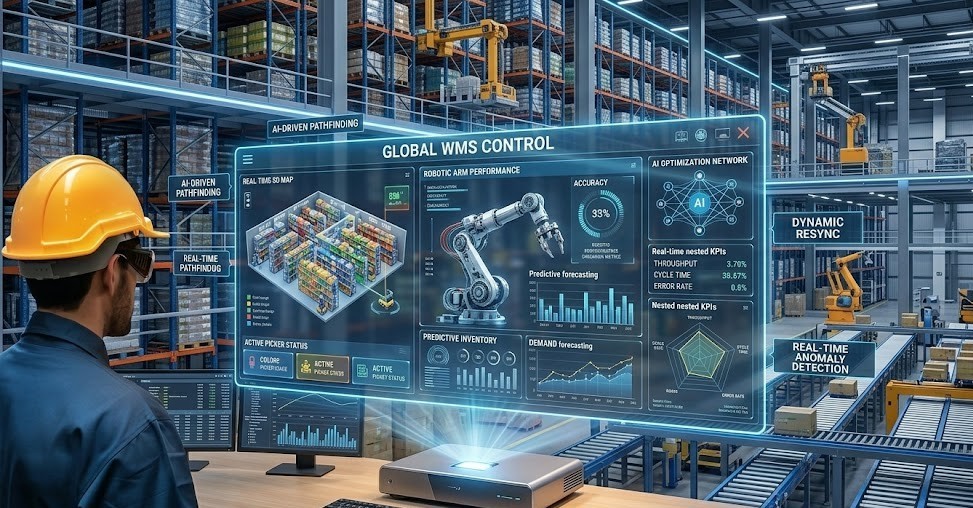
Understanding the Role of a Logistics Control Tower
A logistics control tower has evolved far beyond a simple visibility dashboard. In enterprise environments, it functions as a centralized command system that connects data, workflows, and decision-making across the entire supply chain. For organizations operating across multiple regions and managing complex logistics networks, this level of coordination is essential. Without it, even well-structured operations begin to fragment under pressure.
At a practical level, a control tower aggregates data from carriers, warehouses, brokers, and internal systems into a unified interface. But what makes it powerful is not just aggregation. It is the ability to contextualize and act on that data in real time. Teams can monitor shipment status, track performance, manage disruptions, and make decisions without jumping between systems. This dramatically reduces response time and improves operational clarity.
For large enterprises, the benefits extend beyond day-to-day operations. A centralized system creates alignment across departments. Finance teams gain visibility into costs, customer service teams access accurate shipment updates, and operations teams can coordinate more effectively. Everyone works from the same source of truth, which eliminates confusion and reduces friction.
There is also a strategic dimension. A control tower allows leadership to see patterns and trends that would otherwise remain hidden. This includes identifying underperforming carriers, recognizing recurring delays on specific routes, and optimizing network design. Over time, these insights contribute to better planning and stronger performance. Without a supply chain control system, organizations are often left reacting to problems rather than anticipating them.
Key Challenges in Global Logistics Without a Centralized System
Managing global logistics without a centralized platform often feels like trying to solve a puzzle with missing pieces. Each stakeholder in the supply chain operates within its own system, creating fragmented data that is difficult to reconcile. Carriers provide updates in different formats, warehouses maintain separate records, and internal systems like ERP or TMS store additional layers of information. The result is a scattered landscape where visibility is incomplete and inconsistent.
This fragmentation leads to operational inefficiencies that compound over time. Teams spend significant effort gathering and validating data instead of focusing on execution. A simple task like tracking a shipment can involve multiple emails, calls, and system checks. While this may seem manageable on a small scale, it becomes unsustainable for enterprises handling thousands of shipments daily.
Another major challenge is delayed decision-making. When data is not readily available or reliable, teams hesitate to act. By the time they gain clarity, the opportunity to prevent an issue may have already passed. This reactive approach increases costs and disrupts service levels. In contrast, a centralized custom enterprise platform enables real-time insights that support faster and more confident decisions.
Risk management is also significantly impacted. Global supply chains are inherently unpredictable, with disruptions caused by weather, geopolitical events, or operational bottlenecks. Without a unified system, detecting and responding to these risks becomes difficult. Organizations often find themselves dealing with the consequences rather than preventing them.
Why Custom Software Is Critical for Enterprise Control Towers
Off-the-shelf solutions often promise quick implementation and broad functionality, but they rarely meet the complex needs of enterprise logistics. These platforms are designed to serve a wide range of users, which means they lack the depth and flexibility required for large-scale operations. As a result, companies are forced to adapt their processes to fit the software, which can create inefficiencies and limit performance.
Custom development takes a different approach. Instead of forcing alignment with a predefined system, it allows organizations to build a solution that reflects their unique workflows, requirements, and goals. A custom enterprise platform can integrate seamlessly with existing systems, support specific operational processes, and scale as the business grows.
One of the biggest advantages of custom software is its ability to enable deep enterprise logistics software integration. Rather than relying on surface-level connections, custom solutions can establish robust data flows between systems. This ensures that information is consistent, accurate, and available in real time.
Another important factor is adaptability. Logistics environments are constantly evolving, with new partners, regulations, and technologies emerging regularly. Custom platforms can be updated and expanded to accommodate these changes, ensuring long-term relevance. This level of flexibility is difficult to achieve with standard solutions.
Core Capabilities of a Modern Supply Chain Control System
A modern supply chain control system is built around several key capabilities that enable effective management of complex logistics networks. One of the most important is shipment orchestration software, which coordinates the movement of goods across different stages of the supply chain. This includes planning routes, assigning carriers, monitoring progress, and adjusting plans when disruptions occur.
Another essential capability is centralized management of carriers and partners. Enterprises often work with a large number of external stakeholders, each with its own processes and performance metrics. A control tower brings all this information into one place, making it easier to track performance, manage contracts, and ensure accountability.
Real-time monitoring is also a core feature. By continuously tracking shipments and events, the system provides up-to-date insights that support proactive decision-making. This is complemented by exception management tools that highlight issues and trigger alerts when something goes wrong.
What ties these capabilities together is integration. A control tower is only as effective as the data it receives. By connecting all relevant systems and stakeholders, it creates a cohesive environment where information flows freely and decisions are based on accurate data.
Data Consolidation and Real-Time Visibility
Data consolidation is the foundation of any effective control tower. Without it, visibility remains fragmented and unreliable. The goal is to bring together data from multiple sources into a single, unified platform where it can be accessed and analyzed.
This process involves integrating carriers, warehouses, internal systems, and external partners into a cohesive data ecosystem. A well-designed logistics analytics platform plays a critical role here by organizing and structuring data in a way that makes it actionable. Instead of dealing with raw information, teams can focus on insights that drive performance.
Real-time visibility takes this a step further by ensuring that data is continuously updated. This allows teams to monitor shipments as they move through the network and respond to changes immediately. For example, if a delay occurs, the system can immediately notify relevant stakeholders and suggest alternative actions.
The impact of real-time visibility extends beyond operations. It also improves communication with customers and partners. Providing accurate and timely updates builds trust and enhances the overall experience. In competitive markets, this level of transparency can be a significant differentiator.
Scalability and Performance in Enterprise Logistics Software
Scalability is a critical consideration for any enterprise logistics software solution. Large organizations handle high volumes of shipments and data, which requires systems that can perform reliably under pressure. A control tower must be capable of processing large amounts of information without delays or disruptions.
Custom software development allows organizations to design systems that meet their specific scalability requirements. This includes optimizing performance, managing data efficiently, and ensuring that the platform can handle future growth. As the business expands, the system can scale accordingly without compromising functionality.
Global operations add another layer of complexity. Systems must support multiple regions, languages, and regulatory requirements. A custom approach makes it possible to address these challenges effectively, ensuring consistent performance across the entire network.
Driving Decisions with Logistics Analytics Platforms
A logistics analytics platform transforms data into actionable insights that support better decision-making. By analyzing patterns and trends, it helps organizations identify opportunities for improvement and anticipate potential issues.
For example, analytics can reveal recurring delays on specific routes or highlight underperforming carriers. This information allows teams to make informed adjustments that improve efficiency and reduce costs. Over time, these incremental improvements add up to significant gains.
Analytics also plays a key role in forecasting and planning. By understanding historical data, organizations can predict future demand and allocate resources more effectively. This reduces uncertainty and improves overall performance.
Cost Optimization and Operational Efficiency
Cost management is a major priority for enterprise logistics teams. A control tower provides detailed visibility into logistics spend, making it easier to identify inefficiencies and optimize costs. This includes analyzing transportation expenses, carrier performance, and operational processes.
With accurate data, organizations can make strategic decisions that reduce costs without compromising service quality. For example, they can select more efficient routes, negotiate better carrier contracts, or streamline operations. A shipment orchestration software component plays a key role here by ensuring that resources are used effectively.
Operational efficiency is another important benefit. By automating processes and reducing manual work, a control tower frees up time for more strategic activities. This improves productivity and allows teams to focus on value-added tasks.
The Future of Logistics Control Towers
The future of control towers is shaped by advancements in technology, particularly in artificial intelligence and automation. These innovations are enhancing the capabilities of control towers, making them more intelligent and efficient.
AI-driven systems can analyze data in real time and provide recommendations for decision-making. This includes predicting delays, optimizing routes, and identifying risks before they occur. As these technologies continue to evolve, they will play an increasingly important role in logistics operations.
Automation is also transforming the way control towers operate. By reducing manual intervention, it increases speed and accuracy. This allows organizations to handle larger volumes of shipments with greater efficiency.
Conclusion
Building an enterprise-grade logistics control tower through custom software development is no longer optional for large organizations. It is a strategic investment that enables visibility, coordination, and informed decision-making across complex supply chains. By consolidating data, integrating systems, and leveraging advanced analytics, companies can transform their logistics operations and achieve lasting competitive advantage.
FAQs
It is a centralized system that provides visibility and control over supply chain operations, helping organizations manage shipments, partners, and performance in one place.
Because it allows organizations to build solutions tailored to their specific workflows, ensuring better integration and scalability.
It coordinates and manages the movement of shipments across the supply chain, improving efficiency and visibility.
It converts data into insights that support better decision-making, forecasting, and operational improvements.
Improved visibility, better decision-making, enhanced efficiency, scalability, and cost optimization.